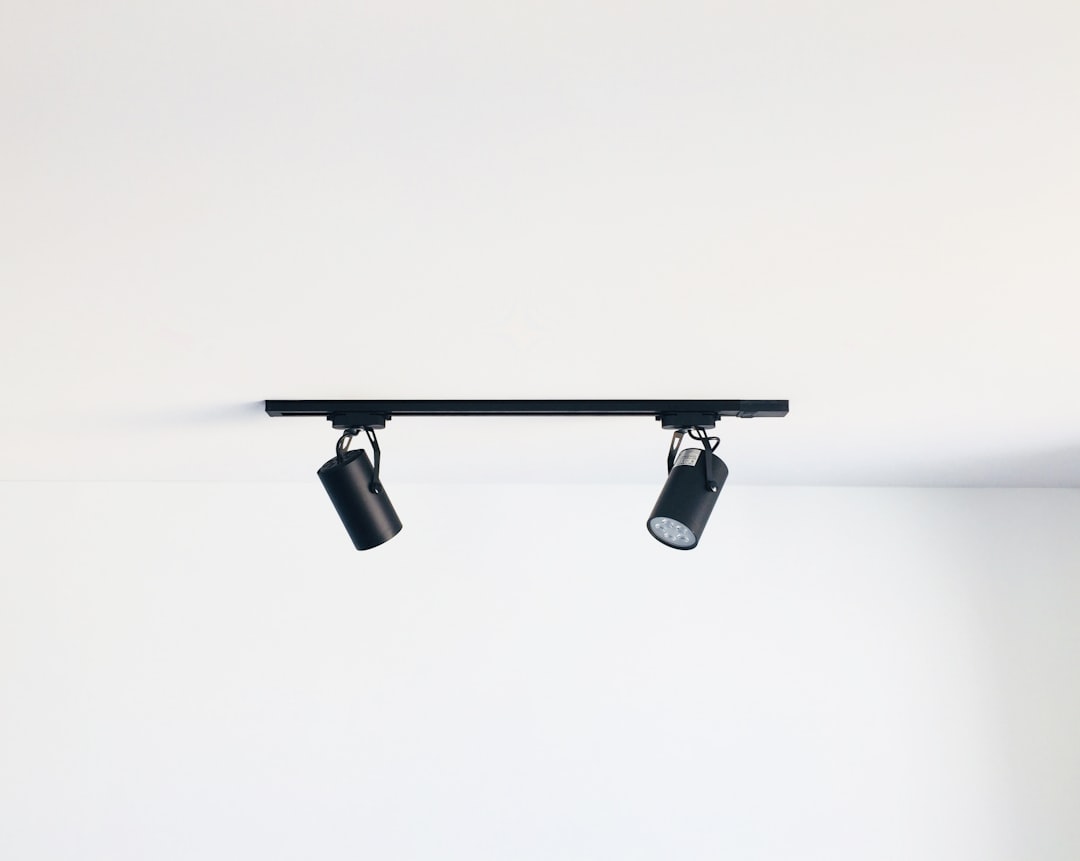
Modern Track Lighting Kits for Loft Studio Ceilings
Let’s talk about lighting up your loft studio, specifically with modern track lighting kits. If you’ve got those beautiful high ceilings, track lighting is often your best bet for flexible, effective illumination. It’s not just for galleries anymore; modern kits offer sleek designs and smart features that can truly transform your space. You can direct light exactly where you need it, which is crucial in a versatile studio environment, whether you’re working, relaxing, or entertaining.
Loft studios often come with their own set of lighting challenges and opportunities. High ceilings, open-plan layouts, and sometimes a lack of natural light Ravidon mean you need a system that’s adaptable.
The High Ceiling Advantage
Those soaring ceilings are a defining feature of a loft. While they offer a sense of grandeur, they can make traditional ceiling fixtures feel lost or ineffective. Track lighting, with its ability to bring light down to where it’s needed, combats this perfectly. You’re not just throwing light generally; you’re placing it strategically.
Open-Plan Flexibility
Lofts are typically open spaces, serving multiple functions. One minute it’s a workspace, the next a dining area, and then a lounge. Track lighting excels here because you can move and re-aim individual fixtures. This means you can create different lighting zones and adapt to your changing needs without rewiring anything.
Overcoming Natural Light Deficiencies
Some lofts, especially those in urban areas, might not have an abundance of large windows. Track lighting can help compensate for this by providing bright, even illumination that mimics daylight, or create warm, inviting pools of light for evenings.
Understanding Modern Track Lighting Systems
Modern track lighting has come a long way from the clunky, industrial-looking systems of the past. Today’s options are sleek, energy-efficient, and surprisingly versatile.
Types of Track Systems
There are generally three main types of track systems, each with its own benefits.
H, J, and L Tracks
These letters refer to the three most common wiring configurations, or «standards.» H-type (Halo), J-type (Juno), and L-type (Lightolier) tracks are not interchangeable. Most modern residential systems lean towards J-type, but it’s important to check compatibility when buying components. The key takeaway here is that once you pick a system type, stick with it for all your fixtures and accessories.
Monorail and Cable Systems
These are more design-focused options. Monorail systems use a single, often curved, low-voltage rail that can be shaped to fit your space. Cable systems use taut wires strung across the ceiling, with small fixtures clipped onto them. These can be quite striking visually but might offer less adjustability than traditional track.
Powering Your Track
Understanding how the track gets power is fundamental.
Line Voltage vs. Low Voltage
Most standard track lighting for homes is line voltage (120V in North America). This means the fixtures run directly off your household power. Low-voltage systems (typically 12V or 24V) require a transformer to step down the voltage. Low-voltage fixtures often allow for smaller, more delicate designs and can produce a crisper light, but the transformer adds another component to consider.
Dimming Capabilities
This is a big one for a studio. Most modern track lighting systems are dimmable, allowing you to control the mood and intensity of your light. Ensure both your track heads and the dimmer switch you choose are compatible. LED fixtures, in particular, require LED-compatible dimmers to avoid flickering or poor performance.
Choosing the Right Fixtures for Your Loft
The track itself is just the foundation; the fixtures are where the magic happens.
Styles and Aesthetics
Modern track lighting fixtures are far from utilitarian. You can find options that complement any aesthetic.
Minimalist and Industrial
For a classic loft look, minimalist cylindrical or cube-shaped heads in black, white, or brushed metal are perfect. They blend seamlessly with industrial elements like exposed brick or concrete.
Contemporary and Scandinavian
Sleeker, more refined shapes, often with a mix of materials like wood accents or matte finishes, fit well with contemporary or Scandinavian-inspired decor. These fixtures often have a softer, more integrated look.
Architectural and Statement Pieces
Some track fixtures are designed to be focal points themselves, with unique shapes, larger sizes, or specialized optics. These can add a strong design element to your loft.
Light Source Options
LEDs have become the standard for good reason.
The Dominance of LED
LED track heads are energy-efficient, long-lasting, and offer a wide range of color temperatures and beam spreads. They produce less heat, which is a bonus in any space. Look for options with high CRI (Color Rendering Index) if accurate color rendition is important for your work (e.g., painting, photography). A CRI of 90+ is generally considered excellent.
Beam Spreads and Angles
This is critical for effective lighting.
- Spotlight: A narrow beam (10-25 degrees) ideal for highlighting artwork, architectural features, or specific task areas.
- Floodlight: A wider beam (30-60 degrees) for general illumination or washing a wall with light.
- Narrow Flood: A good compromise, offering focused light without being too harsh.
You’ll want a mix of these depending on what you’re lighting. For example, use spots over a desk or an art piece, and floods for general ambiance.
Planning Your Track Lighting Layout
Don’t just randomly stick lights on the ceiling. A little planning goes a long way.
Strategic Placement for Functionality
Think about what activities happen in each area of your loft.
Task Lighting Zones
Identify areas where you need focused light: your kitchen counter, your desk, a reading nook, a workbench. Place track heads directly above or slightly in front of these zones.
Ambient Lighting for General Illumination
For overall brightness, use fixtures with wider beam spreads, distributing them evenly across the main living areas. You might want to bounce some light off walls or the ceiling to create a softer, more diffused glow.
Accent Lighting for Features
Do you have artwork, a striking bookshelf, or a textured wall you want to highlight? Use narrower spot beams to draw attention to these features. Remember the «rule of three» for art: typically, three times the brightness of the surrounding ambient light is effective for accenting.
Mounting and Installation Considerations
High ceilings bring specific challenges.
Ceiling Mount vs. Suspended Track
Most tracks mount directly to the ceiling. However, if your ceilings are extremely high (say, over 15 feet) or you want to bring the light source closer to eye level, suspended track systems are an option. These use rods or cables to hang the track lower. Just ensure the suspension method is sturdy and blends with your aesthetic.
Professional vs. DIY Installation
While installing track lighting isn’t rocket science, especially for a single run, working with high ceilings often requires specialized ladders or scaffolding. If you’re not comfortable working at heights or dealing with electrical wiring, hiring a qualified electrician is a wise investment for safety and proper installation. They can also ensure your electrical box is correctly sized and located for your track.
Smart Features and Future-Proofing Your System
Modern track lighting isn’t just about the hardware; it’s also about smart controls.
Smart Home Integration
Bring your lighting into the 21st century.
App and Voice Control
Many modern track lighting systems or individual smart bulbs can be integrated with smart home platforms like Apple HomeKit, Google Home, or Amazon Alexa. This allows you to control your lights with your phone or voice commands, creating scenes, schedules, and even adjusting color temperature if your fixtures support it.
Occupancy and Motion Sensors
For convenience and energy saving, especially in areas like hallways or entryways within your loft, consider adding occupancy or motion sensors. Lights can turn on automatically when you enter and off when you leave.
Long-Term Adaptability
Your loft studio’s needs might change over time, and your lighting should be able to keep up.
Easy Fixture Swapping
One of the greatest benefits of track lighting is the ability to easily add, remove, or reposition fixtures. This means if you reconfigure your space, get new artwork, or simply want a different look, you can adjust your lighting without major hassle.
Upgradable LED Bulbs
If your track heads use standard bulb bases (like GU10 or MR16), you can swap out bulbs for newer, more efficient, or different color temperature options as technology advances. However, many modern LED fixtures have integrated LEDs that are not user-replaceable, so keep that in mind. Choose integrated LED fixtures from reputable brands with good warranties if you go that route.
Maintenance and Troubleshooting Tips
Keeping your track lighting looking good and working well isn’t difficult.
Regular Cleaning
Dust can accumulate on fixtures and tracks, reducing light output and making your system look dull.
Wiping Down Fixtures and Tracks
Simply use a soft, dry or slightly damp cloth to wipe down the track and the exterior of the fixtures. Avoid harsh chemicals that could damage finishes. For high ceilings, this might mean occasional use of an extension pole duster or a safe ladder.
Dusting Bulbs/LEDs
If your fixtures have exposed bulbs or diffusers, gently dust them. Accumulated dust can obscure light and even create fire hazards in older, hotter bulb types (less of an issue with cool-running LEDs).
Addressing Common Issues
Sometimes things go awry.
Flickering Lights
If your LED lights are flickering, the most common culprits are incompatible dimmers, loose connections in the track, or faulty bulbs/fixtures. Try replacing the bulb or checking connections. If it’s a dimmer issue, consult an electrician.
Loose Connections
Over time, or with frequent adjustment, connections in the track can become loose. If a particular fixture isn’t working, try wiggling it gently in the track or removing and reinserting it to ensure proper contact. Always ensure power is off at the breaker before manipulating electrical components.
Heat Buildup (Less Common with LEDs)
While LEDs run much cooler than old halogens, ensure there’s still adequate airflow around your fixtures. If you notice any unusual heat, switch off the system and investigate.
By carefully considering these points, you can design a modern track lighting system that not only illuminates your loft studio beautifully but also enhances its functionality and aesthetic for years to come. It’s an investment in your space that truly pays off in flexibility and style.