Enhance Your Oil Paintings with Picture Lights
Ever look at a beautiful oil painting and feel like something’s… missing? Often, it’s the lighting. While the painting itself is a masterpiece, how it’s presented makes a huge difference. That’s where picture lights come in. They’re not just fancy lamps; they’re a practical way to make your oil paintings truly shine, bringing out details you might not have even noticed before.
Why Picture Lights Matter for Oil Paintings
Oil paints have a unique way of catching and reflecting light. This can be a good thing, adding depth and richness, but it can also be a challenge. The wrong light can wash out colors, create distracting glare, or leave parts of the painting in shadow. Picture lights are designed to overcome these issues, offering controlled illumination that highlights the artist’s work without distorting it. Think of them as a spotlight specifically engineered for the nuances of oil on canvas.
The Science (and Art) Behind How Picture Lights Work
Picture lights aren’t just about throwing light at a painting. They employ specific design principles to ensure optimal presentation.
Understanding Light Quality and Color Temperature
The type of light emitted is crucial.
Warm vs. Cool Light
You’ve probably heard of warm and cool light bulbs. For oil paintings, warm light (around 2700K to 3000K) is generally preferred. This is because oil paints, especially older ones, tend to have warmer undertones. Warm light complements these tones, making them appear richer and more inviting. Cool light (above 4000K) can sometimes make colors look a bit stark or unnatural, and it can flatten the texture.
Color Rendering Index (CRI)
This is a big one for any artwork. CRI measures how accurately a light source reveals the true colors of objects compared to natural daylight. You want a high CRI, ideally 90 or above. A high CRI ensures that the vibrant reds, deep blues, and subtle greens of your oil painting are displayed as the artist intended. A low CRI can make colors look muted or even skewed.
Beam Angle and Light Distribution
How the light is spread across the painting is just as important as its quality.
Narrow vs. Wide Beam Angles
Picture lights typically have adjustable arms and shades, allowing you to control the beam angle. For a single, focused painting, a narrower beam might be best to concentrate light on the artwork without spilling onto the wall. For larger pieces or a gallery wall, you might need a wider distribution. The goal is even illumination across the entire surface.
Preventing Hotspots and Shadows
The worst thing for a painting is uneven lighting. Hotspots are areas that are overly bright, obscuring detail, while shadows can hide important elements. Well-designed picture lights aim for a uniform wash of light, gently illuminating the canvas from top to bottom, ensuring no section is left neglected.
Types of Picture Lights and How to Choose
There are several options available, each with its own pros and cons. Your choice will depend on your painting, your decor, and your budget.
Mounted Picture Lights (Hardwired and Battery-Operated)
These are the most traditional and often considered the most elegant solution.
Hardwired Picture Lights
These are wired directly into your home’s electrical system.
- Pros: Clean look, no visible wires, consistent power.
- Cons: Requires professional installation, less flexible placement.
- Best for: Permanent installations, high-end galleries, when you want a seamless look.
Battery-Operated Picture Lights
These are a more DIY-friendly option, often using LEDs.
- Pros: Easy to install, no wiring needed, portable.
- Cons: Batteries need replacing, can sometimes look less sophisticated, light quality might not be as high as hardwired options.
- Best for: Rented spaces, temporary displays, those who prefer not to deal with electrical work.
Plug-In Picture Lights
A good middle ground between hardwired and battery-operated.
- Pros: Easy to plug in, often offer good light quality, more placement flexibility than hardwired.
- Cons: You’ll have a visible cord that needs to be managed.
- Best for: Situations where you don’t want to hardwire but want better light quality than battery options.
LED vs. Halogen Picture Lights
The bulb technology makes a significant difference.
LED Picture Lights
- Pros: Energy efficient, long lifespan, low heat output (important for protecting artwork), good color rendering options available.
- Cons: Initial cost can be higher, some older LED technology might have lower CRI.
- Why they’re great for oils: The low heat is a major advantage for preserving delicate oil paints over time.
Halogen Picture Lights
- Pros: Excellent color rendering, warm and rich light quality.
- Cons: Produce more heat, shorter lifespan, less energy efficient than LEDs.
- Considerations: If you go with halogen, ensure it’s positioned far enough away from the canvas to avoid heat damage.
Placement and Installation: Getting it Right
This is where the practical application comes in. Even the best picture light won’t perform well if it’s in the wrong spot.
The Golden Rule: Illuminating from Above
The general consensus for illuminating paintings, especially oils, is to place the light source above the artwork.
The 30-Degree Angle
A common recommendation is to position the light so it hits the painting at roughly a 30-degree angle. This angle helps to minimize glare and cast subtle shadows that reveal texture and depth. Experimentation is key here; slightly adjusting the angle can have a noticeable impact.
Avoiding Direct Glare
Glare is the enemy of any painting. It’s that bright, distracting reflection that bounces off the surface, obscuring details. Positioning the light correctly, and choosing a fixture with a diffused or adjustable beam, helps to control where the light hits and how it reflects. If you can see a bright spot on the canvas from your viewing position, the light is likely too direct.
Mounting Considerations: Wall and Frame
How you physically attach the light is also important.
Wall Mounting Above the Frame
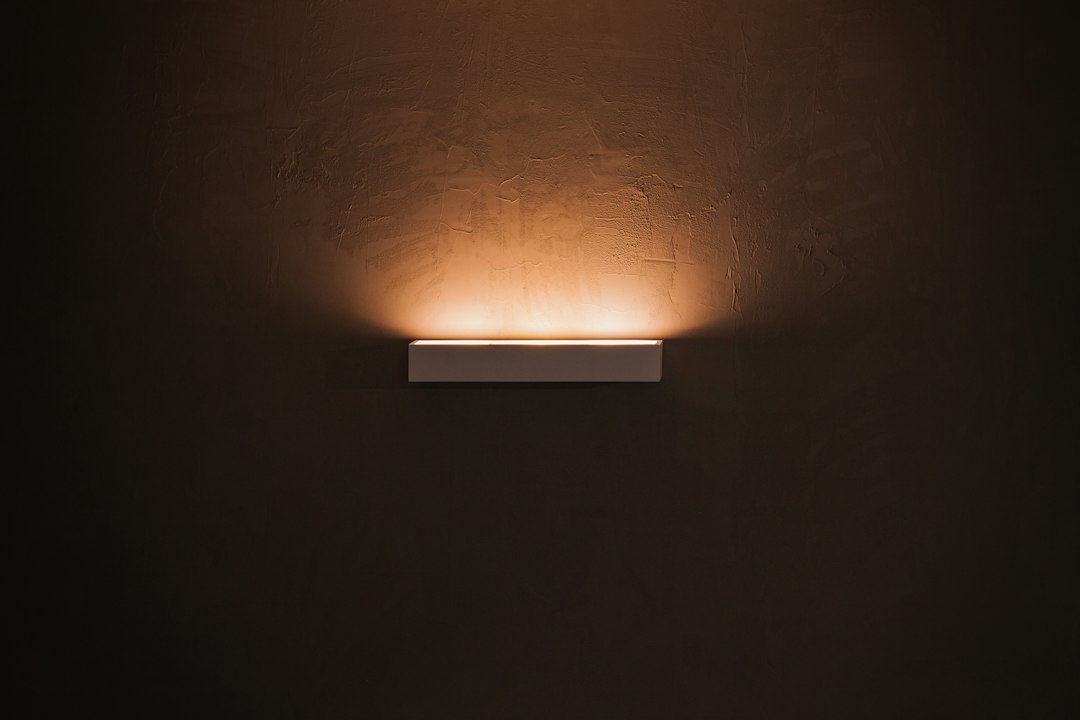
This is the most common method. The light bar sits on the wall, just above the top edge of the frame. This allows for a clean, overhead wash of light. Ensure the mounting hardware is secure and appropriate for your wall type.
Frame-Mounted Lights
Some picture lights are designed to attach directly to the frame itself.
- Pros: Can offer a very integrated look, often provide excellent directional control.
- Cons: May not be suitable for all frame types, can add weight to the frame.
- Check Compatibility: Make sure the frame can support the weight and that the mounting mechanism won’t damage the frame or the painting.
Wiring Management: A Tidy Solution
Visible wires can detract from the overall aesthetic.
Hiding Cords with Cord Covers
For plug-in or battery-operated lights, consider using cord covers that can be painted to match your wall color. This makes the cord almost disappear.
Professional Wiring for a Seamless Look
If you’re opting for hardwired lights, a professional electrician can run the wires discreetly within the wall, leaving you with a perfectly clean installation.
Enhancing Specific Aspects of Your Oil Paintings
Picture lights aren’t just about general illumination; they can be used strategically to highlight particular elements within your artwork.
Bringing Out Texture and Impasto
Oil paints are known for their tactile qualities.
Angled Light for Shadows
By slightly adjusting the angle of your picture light, you can create subtle shadows that emphasize the brushstrokes and texture of the paint. This is particularly effective for paintings with thick applications of paint (impasto).
Directing Light to Highlight Highlights
Conversely, a well-placed light can catch the peaks of your impasto, making them gleam and adding a three-dimensional feel to the surface.
Revitalizing Color Depth and Vibrancy
The right light can make colors pop.
Using High CRI Lights for True Tones
As mentioned earlier, a high CRI is essential for accurately representing colors. This means your reds will be true reds, your blues will be deep and rich, and your subtle greens will have their full spectrum.
Balancing Warm and Cool Tones
Understanding the inherent tones in your oil painting will help you choose the right color temperature for your light. For paintings with warm earth tones, a slightly warmer light will enhance them. If your painting has vibrant cool colors, a light that’s not too warm might be better to avoid making them muddy.
Drawing Attention to Focal Points
Every painting has an area that draws the viewer in.
Spotlighting Key Details
A picture light with an adjustable beam can be used to subtly draw attention to the main subject or a particularly interesting detail within the painting. This isn’t about creating a harsh spotlight, but rather a gentle emphasis.
Creating a Sense of Drama and Mood
Strategic lighting can influence the mood of a room and how the artwork is perceived. A carefully placed light can create a more dramatic or intimate atmosphere, depending on the painting and your desired effect.
Common Pitfalls to Avoid
Even with the best intentions, there are mistakes people often make when lighting artwork.
Over-Illuminating the Painting
More light isn’t always better. Excessive brightness can wash out details and create glare, defeating the purpose. Aim for subtle, effective illumination.
Using the Wrong Light Bulb Technology
As discussed, LEDs and halogens have different properties. Ensure your chosen bulb is suitable for artwork, considering heat output and CRI.
Ignoring Glare and Reflections
This is a constant battle. If you see reflections on the glass (if your painting is framed under glass), the light is likely too direct. Adjust the angle, distance, or consider using anti-glare glass.
Neglecting the Surrounding Environment
The picture light shouldn’t be the only light source in the room. Consider how it interacts with other lighting in the space. The overall ambiance is important.
Forgetting About Conservation
Heat from lights can damage oil paintings over long periods. Always prioritize low-heat options like LEDs and ensure adequate distance.
The Long-Term Benefits of Proper Picture Lighting
Investing in good picture lights isn’t just about making your paintings look good now; it’s about preserving their beauty and value for years to come. You’re not just adding a lamp; you’re enhancing your appreciation for the art and ensuring it’s presented in the best possible light, literally. It’s a practical enhancement that transforms a good painting into a truly captivating piece.